Professional Water Restoration Services in Kennesaw, GA
Water damage shows up fast in Kennesaw, whether it’s a burst pipe during one of our surprise winter freezes, a leaking appliance, or a heavy storm rolling off Kennesaw Mountain. One minute everything’s fine, and the next you’re dealing with soaked floors, dripping ceilings, and that sinking feeling of ‘what now?’
That’s when Big Bear Restoration steps in. We know Kennesaw homes and businesses inside and out, from older properties near Downtown to newer builds around Legacy Park and Barrett Parkway. Our team responds quickly with the right equipment to stop the water, assess the damage, and begin drying, cleaning, and preventing mold before it sets in.
When water throws your day off track, we’re the local crew you can rely on to get things back to normal. Call us today to get started.





Get Complete Reconstruction After Water Mitigation Services
Water damage repair in Kennesaw often reveals more to fix once the water is gone. After handling the emergency water removal, water cleanup, and structural drying, you may still be left with warped flooring, damaged drywall, or areas weakened by storm water or a burst pipe. Our team makes the transition from mitigation to rebuilding easy by managing everything in-house and keeping the process moving without delays.
Since Big Bear Restoration is already familiar with your residential or commercial water damage from the initial cleanup, we can step directly into reconstruction with precision. Whether it’s repairing ceilings, replacing materials, or restoring the structure after flood damage cleanup, our water restoration experts handle every detail so your property feels whole again.
Kennesaw Commercial & Residential Water Damage Cleanup FAQs
Water damage in Kennesaw happens more often than most homeowners realize, and it usually strikes fast. From sudden storms to everyday plumbing issues, several problems can lead to water intrusion that requires a professional water damage restoration service.
Here are the most common causes:
- Heavy thunderstorms that overwhelm drainage systems and lead to flooding or storm water damage, requiring flood restoration and storm water damage repair
- Pipe bursting from temperature swings or aging plumbing
- Flooded basements caused by water intrusion or cracks in foundation walls
- Water heater failures that soak nearby building materials
- Sewer backups and contaminated water that require sewage cleanup services
- Roof leaks that allow hidden moisture to spread and cause structural damage
- Appliance malfunctions, such as a leaking washing machine, dishwasher, or refrigerator
- Clogged gutters are forcing water into areas it shouldn’t be
- Drainage issues around the home or business that push water inside
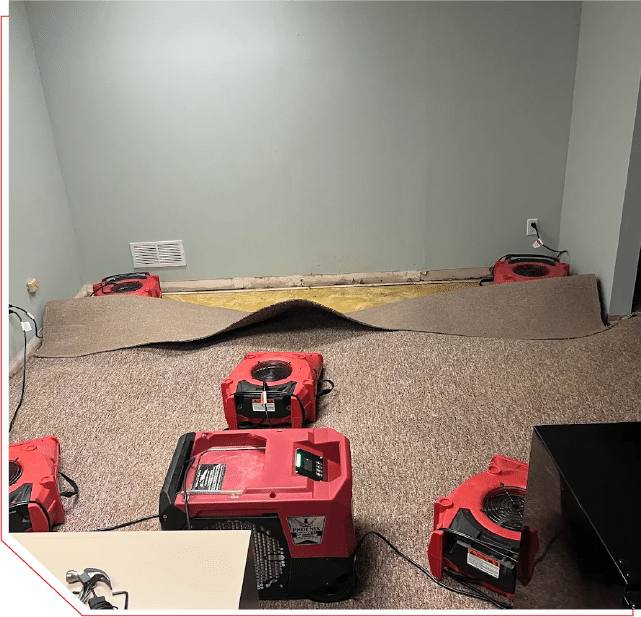
When water damage occurs, acting quickly helps prevent further damage. Professional water damage contractors use industry-standard drying equipment that removes standing water, protects building materials, and helps prevent mold growth.
Yes. We regularly work with insurance companies in Kennesaw to help streamline the water damage restoration process. Our team documents the damage thoroughly, provides industry-standard estimates, and communicates directly with your adjuster so you don’t have to manage everything on your own.
We understand how stressful a water intrusion can be for your home or business, so we focus on clear communication that helps your claim move smoothly. From start to finish, we make sure the restoration work aligns with your policy requirements and supports a faster, easier approval.
Yes. Water damage is categorized into different types based on the source and level of contamination, which helps determine the safest and most effective restoration process. Understanding these categories is important because each one affects how quickly technicians need to respond and what steps are required to protect your property.
- Category 1 (Clean Water): Water from safe sources like supply lines or broken pipes. This type is the easiest to address and often allows technicians to restore your home quickly.
- Category 2 (Gray Water): Water that contains moderate contaminants, such as appliance leaks, shower drains, or overflow from clean-water sources that have been sitting too long.
- Category 3 (Black Water): Highly contaminated water from sewage backups, flooding, or outdoor water intrusion. This requires specialized cleaning, safety measures, and removal of affected materials.
No matter the category, professionals follow strict procedures to ensure the cleanup is safe and effective. Understanding these types helps you see why prompt action is crucial and how proper restoration not only restores your property but also protects your health.
Yes. Mold can begin growing within 24–48 hours after water intrusion, even if the surface appears dry. Moisture often seeps into walls, flooring, insulation, and other materials where it isn’t visible. When that hidden moisture lingers, it creates the perfect environment for mold to develop and spread before you ever notice the first sign of it.
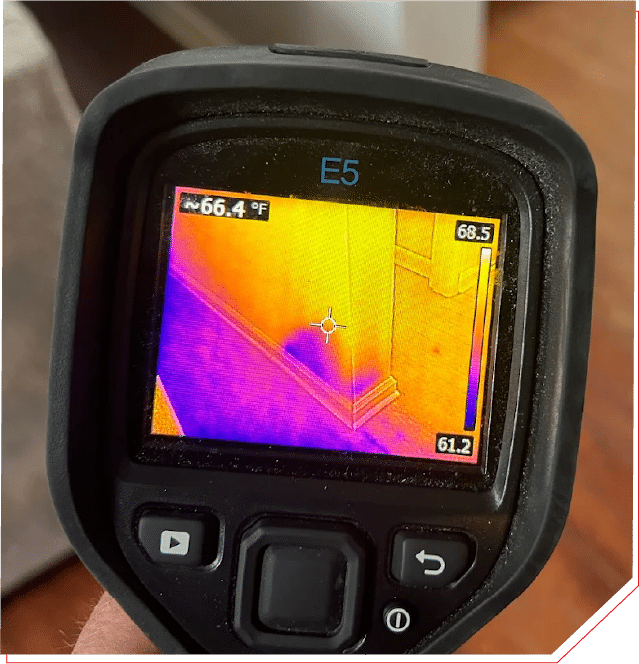
That’s why professional drying and moisture detection are so important. Even when a space looks fine on the outside, trained technicians can locate and remove hidden moisture to stop mold before it becomes a larger problem. Proper mitigation helps protect your property, air quality, and long-term structural integrity.
Water doesn’t stay contained to the obvious spill or leak, as once it enters a structure, it often moves far beyond the original source. Several factors can cause water damage to spread into areas that didn’t appear wet at first.
- Porous building materials like drywall, wood, and insulation absorb moisture quickly and pull it sideways or upward.
- Gravity naturally moves water downward into lower levels, subfloors, and wall cavities.
- Airflow and humidity push moisture into surrounding spaces, even if the surface feels dry.
- Hidden pathways, such as wall voids, seams, joints, and cracks, allow water to travel unnoticed.
- Delayed drying or cleanup gives moisture more time to migrate into untouched areas.
When water moves beyond the initial damage zone, it becomes harder to detect and more likely to cause mold or structural issues. Fast professional mitigation helps stop this spread and protects the rest of your property.

Call Today For 24-Hour Water Damage Services in Kennesaw, GA
Water damage is messy and disruptive, but you don’t have to manage it alone. Big Bear Restoration has decades of experience helping homeowners recover after stormwater damage, burst pipe cleanup, basement water removal, and unexpected leaks. As a full-service water restoration company, we respond fast with the right equipment for water extraction services, emergency flood cleanup, and flood water removal so your property can start drying right away.
We handle every step carefully, from water cleanup services and structural drying services to moisture detection, ceiling water damage repair, and water leak damage repair. Our detailed water remediation helps prevent future issues, and with 24-hour water damage services and dependable disaster restoration services, you’re never left waiting. Call us today and let our water damage specialists begin your property’s water damage restoration.