When water enters your home or business unexpectedly, it’s easy to see only the mess…
The Cost of Being Unprepared: Disaster Readiness for Atlanta Commercial Properties
Running a business in Atlanta means navigating a climate that can be unpredictable and, at times, unforgiving. From severe thunderstorms and flash flooding in the spring to the occasional ice storm in winter, Georgia’s weather has a way of testing even the most well-built commercial properties. Add to that the ever-present risks of plumbing failures, electrical fires, and mold growth, and it becomes clear that disaster preparedness isn’t just a good idea: it’s a business necessity.
The reality is that most commercial property owners don’t think about disaster recovery until they’re already in the middle of one. By that point, the damage has been done, and the clock is ticking on lost revenue, disrupted operations, and unhappy tenants or customers.
At Big Bear Restoration, we’ve worked with countless businesses across the Atlanta metro area after the fact, and time and again, we see how a little preparation could have made a world of difference. This guide is designed to help you get ahead of the curve.
Why Disaster Preparedness is a Business Imperative
Let’s start with the numbers, because they’re sobering. According to industry data, nearly 40 to 60 percent of small businesses never fully recover after a major disaster. For larger commercial operations, even a partial recovery can take months and cost hundreds of thousands of dollars in repairs, lost productivity, and insurance disputes. The businesses that fare best share one thing in common: they planned ahead.
Preparedness for commercial properties goes far beyond having a fire extinguisher in the break room. It means:
- Understanding your building’s vulnerabilities
- Having documented emergency protocols in place
- Knowing who to call and when
- Making sure your insurance coverage is adequate for the risks you face
- Working with experienced restoration professionals who can respond quickly
In a city like Atlanta, where commercial development is dense and weather events can be intense, the stakes are especially high. The good news is that with the right preparation, most of the damage from unexpected events can be significantly reduced. Here’s how.
Water Damage: The Silent Threat to Commercial Buildings
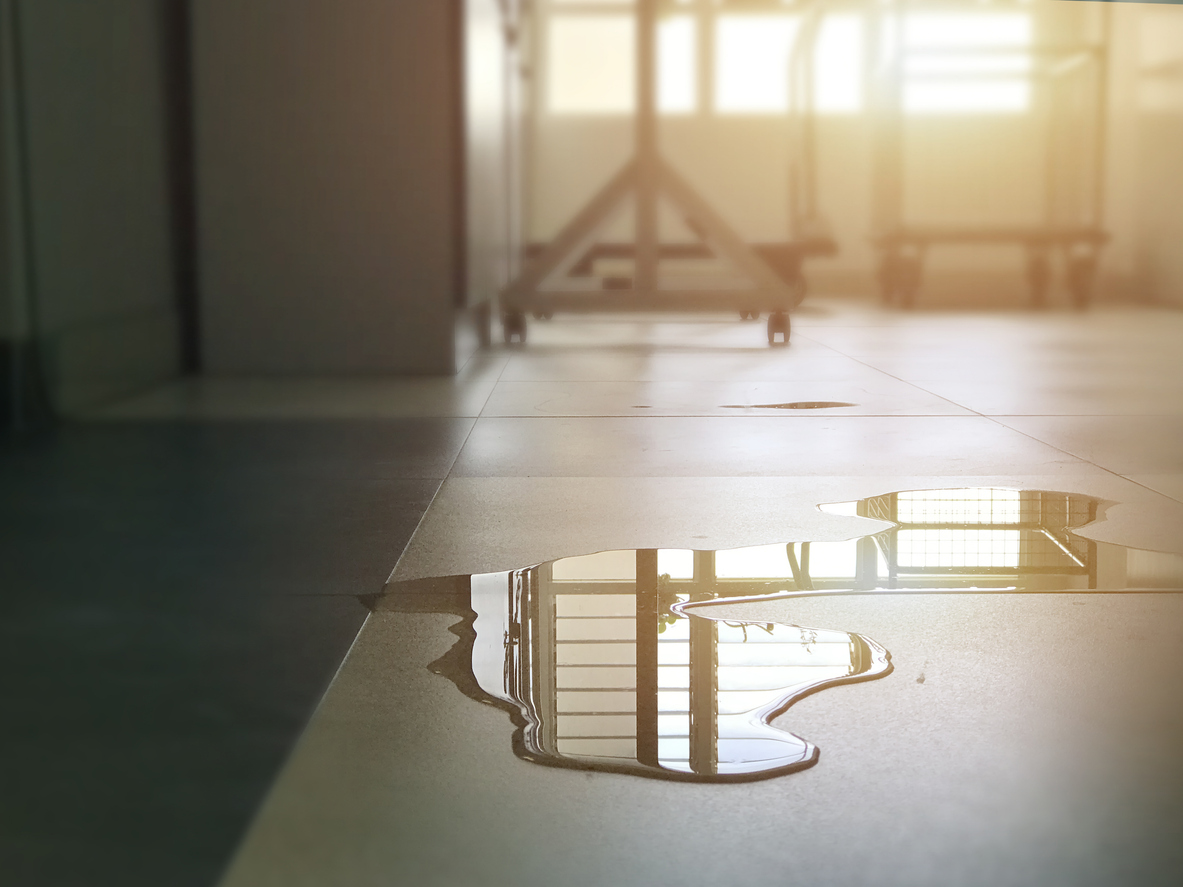
Water damage is the most common commercial disaster we respond to, and the most preventable. It comes from burst pipes, roof leaks, HVAC condensation, sprinkler malfunctions, and flooding, often developing silently behind walls or above ceiling tiles until the damage is already significant.
The foundation of water damage prevention is understanding your building’s infrastructure: where your main shutoffs are, where your drainage runs, and which areas are most vulnerable. That information should be documented and accessible to your property manager at all times.
Beyond that, a few practical steps go a long way, including:
- Schedule annual plumbing and roofing inspections
- Keep gutters and downspouts clear
- Install water detection sensors in high-risk areas
When an issue does arise, having a pre-established relationship with a restoration company means you can get a crew on-site fast, before secondary damage like mold and structural warping sets in.
When Natural Disasters Bring the Water to You
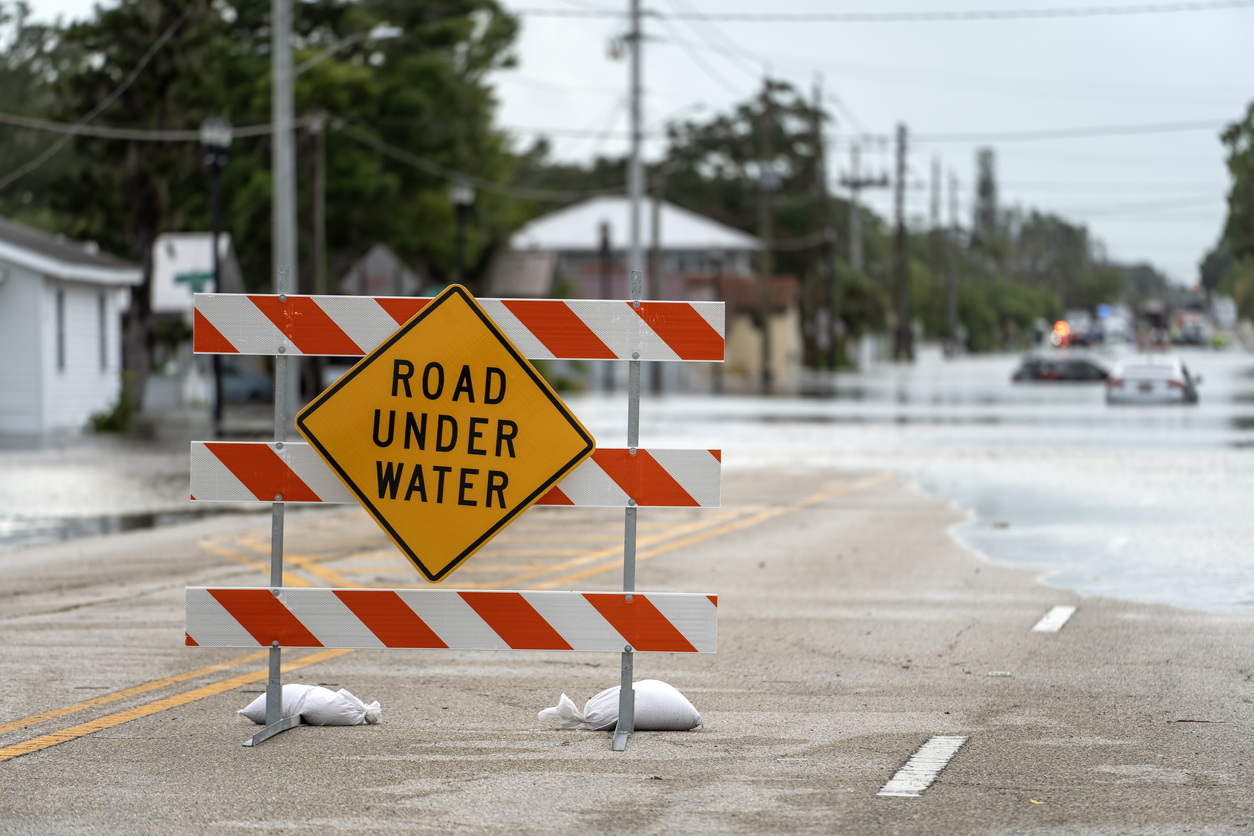
Everyday plumbing failures are one thing, but Georgia’s geography creates a different category of water risk entirely. Flash flooding is common across the Atlanta metro, and during heavy rain events, water can rise faster than most people expect.
If your building sits near a waterway or in a low-lying area, know your FEMA flood zone designation and take it seriously.
- Pre-position flood barriers or sandbags for vulnerable entry points
- Elevate critical equipment off ground level where possible
- Make sure your sump pumps are operational
- Have a battery backup in case of power loss during the storm
After any flood event, assume contamination; floodwater carries sewage, chemicals, and debris, and should always be handled by trained restoration professionals.
Mold: The Consequences of Incomplete Cleanup
Mold doesn’t arrive dramatically. It moves in quietly after water damage that wasn’t fully resolved. In Atlanta’s humid climate, it can establish itself in as little as 24 to 48 hours. For commercial property owners, it’s both a health liability and a legal one.
The most common mistake we see? Treating the visible damage and walking away. Pulling up wet carpet and running a fan is not mold remediation. Mold can thrive in materials that appear dry on the surface. Any water intrusion event, even a minor one, warrants a professional moisture assessment using meters and thermal imaging to guarantee the full extent of the problem is addressed.
Controlling indoor humidity through a well-maintained HVAC system is your first line of defense. If your building is older or has experienced water issues in the past, periodic mold inspections are a smart investment.
Natural Disasters and the Mold That Follows
Mold rarely makes headlines during a natural disaster, but it’s often the aftermath that does the most lasting damage to commercial buildings. Flooding, storm surge, and even the large volumes of water used to fight a fire can saturate building materials far beyond what’s visible.
After any major weather event that involves water intrusion, like a tornado that compromises your roof, a flash flood that soaks your lower level, or a severe storm that overwhelms your drainage, mold remediation should be part of your recovery plan from day one.
Fire: Prevention First, Recovery Second
A serious fire can render a commercial building uninhabitable in minutes. But fire is also one of the areas where preparation makes the most measurable difference. What’s the difference between a contained incident and a total loss?
- Functional smoke detectors
- Properly maintained sprinkler systems
- Up-to-date electrical inspections
Electrical fires are among the leading causes of commercial fires in Atlanta, particularly in older buildings with aging wiring. Have your electrical systems inspected regularly, address identified issues promptly, and make sure your staff knows the evacuation plan and where the fire extinguishers are located.
On the recovery side: make sure your most important data and records are backed up offsite or in the cloud. Equipment can be replaced; irreplaceable records often can’t. And just as importantly, have a fire and smoke restoration partner identified before a fire happens.
How Natural Disasters Create Fire Risk
Fire and natural disasters intersect more often than most business owners realize. Downed power lines from severe thunderstorms or tornadoes are a leading cause of commercial structural fires. Lightning strikes are another significant risk, particularly for buildings with older or ungrounded electrical systems. Gas line damage from high winds, shifting foundations, or debris impact can also create explosion and fire hazards in the immediate aftermath of a major weather event.
The preparedness steps are straightforward:
- Make sure your building has surge protection on critical systems
- Have your gas lines inspected after any event that might have caused structural stress
- Know where the gas shutoff is located
If a tornado, severe storm, or other major event affects your building, don’t restore power or re-enter until a qualified professional has confirmed it’s safe to do so.
Storm Damage: Atlanta Weather Doesn’t Give Much Warning
The Atlanta metro isn’t immune to severe weather. Damaging winds, hail, flash flooding, and winter ice storms can all cause significant commercial property damage, and the frequency of severe events has been trending upward. Preparing your building before storm season is far less painful than assessing the damage after.
Start with your building envelope. Inspect your roof annually and after major storms. For flat or low-slope roofs, make sure drainage systems are clear and functional; standing water after a heavy rain adds enormous structural stress. Check windows and doors for seal integrity, and trim any trees close to the building that could become a hazard in high winds.
Tornadoes, Severe Storms, and What Commercial Buildings Face
Georgia sees an average of 33 tornadoes per year, and the Atlanta metro has been directly impacted multiple times in recent decades. While commercial buildings are generally more structurally robust than residential homes, they’re far from invulnerable. Large, flat-roofed structures, such as warehouses, retail centers, office parks, are particularly susceptible to roof uplift from high-velocity winds.
Preparation here is as much about people as it is about property.
- Designate interior shelter areas away from windows and exterior walls
- Make sure all employees know where to go when a warning is issued
- Anchor any rooftop equipment
- Keep exterior storage areas clear of debris
- Guarantee your emergency contact list includes structural engineers and restoration contractors
The faster a compromised structure is secured, the less exposure you have to secondary damage from weather continuing to enter through breaches in the building envelope.
Don’t Forget, Preparedness Goes Beyond the Building
Physical preparedness matters, but a complete disaster strategy also covers business continuity: how your operation keeps running while the building is being restored. That means documenting critical business functions, maintaining an up-to-date emergency contact list, and having a communication plan ready for employees, tenants, and customers.
It also means reviewing your insurance coverage every year. Many commercial property owners discover gaps only after a disaster: underinsured property values, missing flood coverage, or business interruption limits that don’t reflect actual recovery timelines.
Big Bear Restoration is Atlanta’s Commercial Recovery Partner
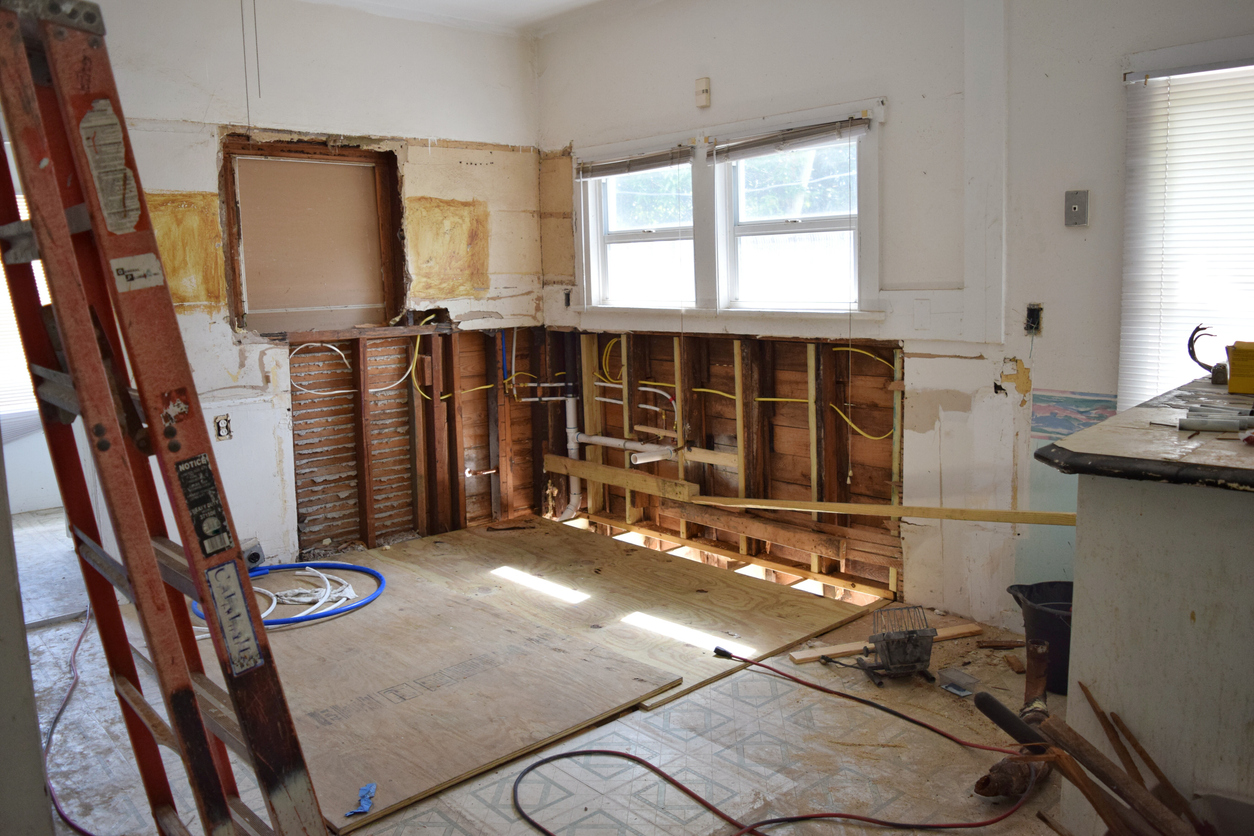
At Big Bear Restoration, we’ve built our reputation by responding fast and doing the job right the first time. Our commercial restoration services cover the full spectrum: water damage mitigation, mold remediation, fire and smoke restoration, storm damage repair, and reconstruction. Additionally, we work directly with insurance companies to keep the claims process as smooth as possible.
We offer 24/7 water damage remediation to handle emergencies of any size. Don’t wait and risk further damage or health hazards. Call us today to schedule a rapid response or inspection.
Related Posts